

How to Inspire Innovation in Early Childhood Education in Australia
Fostering Creativity
Encouraging Hands-On Exploration
Engaging children in hands-on exploration is an essential aspect of early childhood education as it allows young minds to connect with the world through direct discovery. As I find myself often inspired by a visit to the Royal Botanic Garden in Sydney, I see the power of nature as an outdoor classroom where young learners can interact with their surroundings. Through activities like planting a small garden or observing insects, we're not only teaching science but nurturing curiosity and independent thought.
Integrating Arts and Play
Arts and play are crucial in developing a child's creativity and confidence. Workshops and play sessions should encourage children to express themselves through painting, music, and dance. The key is to provide a variety of materials and the freedom to explore without rigid guidelines. This approach can foster a nurturing environment for artistic expression, ensuring children feel safe to take risks and innovate.
Designing Open-Ended Challenges
Open-ended challenges are an excellent way to stimulate critical thinking. By designing activities that don't have a fixed outcome, we encourage children to explore solutions creatively. This can be something as simple as building structures with blocks or crafting stories from imaginative play scenarios. Such experiences prepare them for complex problem-solving tasks and foster adaptability, key components we emphasise through initiatives like community discussions and aged care courses that focus on flexible teaching methods.
By embedding these strategies into early childhood education, we can shape a generation of thinkers ready to embrace and lead the changes of tomorrow.
Embracing Technology
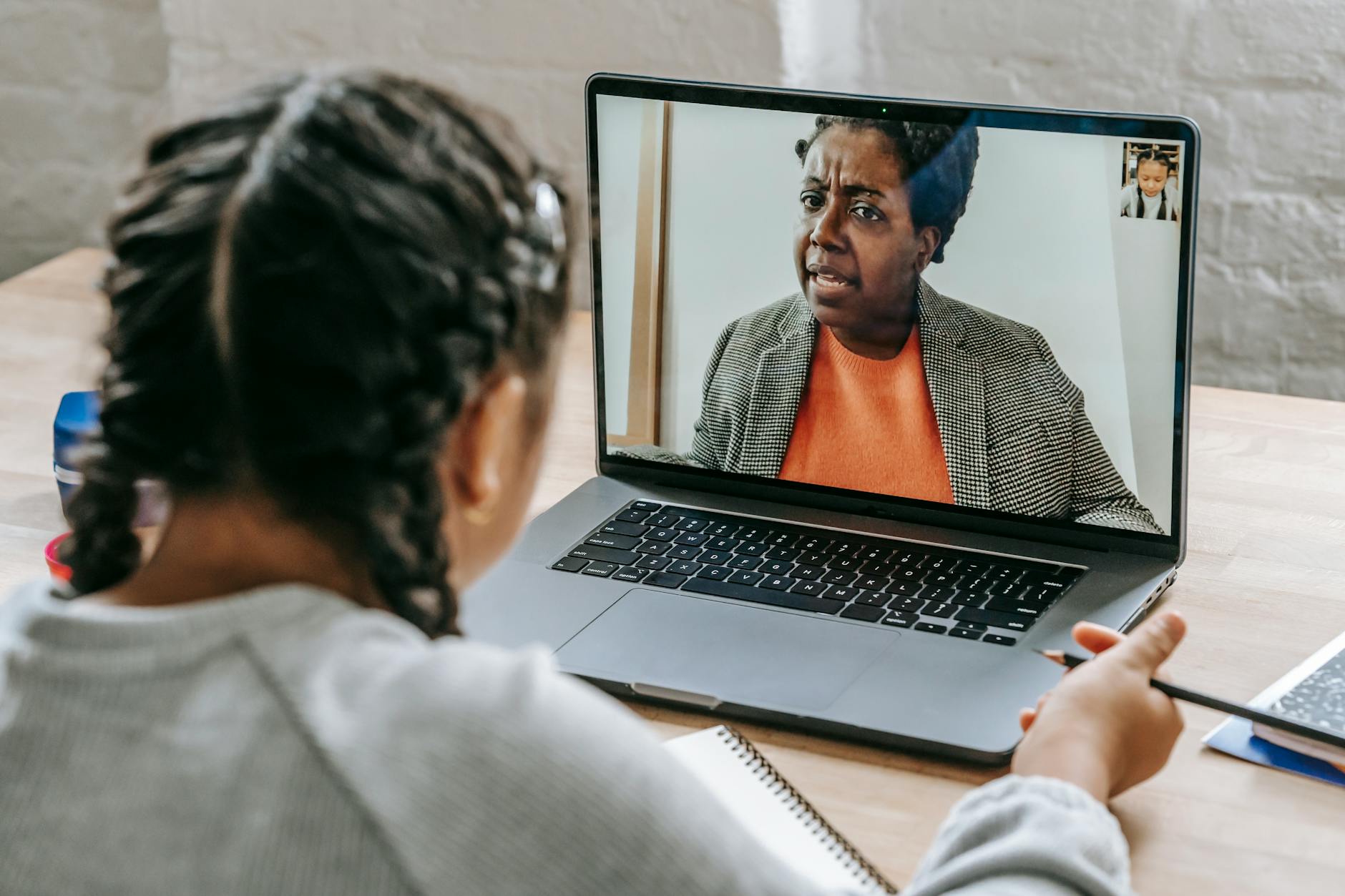
Navigating the technological landscape in early childhood education requires an open mind and a willingness to explore tools that foster interactive learning. One method Lachlan could consider is integrating technology through child care courses, which emphasize innovative teaching strategies. Interactive tools like tablets and smartboards provide children with engaging, hands-on activities, helping to create a dynamic learning environment. These resources enhance traditional methods by offering immersive experiences, such as digital scavenger hunts using apps that encourage kids to explore and solve problems while developing essential cognitive skills.
Another fascinating avenue is virtual reality experiences. While it might sound a bit futuristic, virtual reality offers immersive experiences that captivate young minds. You could introduce virtual field trips to places like the Royal Botanic Garden, creating an opportunity for children to learn about nature in an engaging way without ever leaving the classroom. Imagine the excitement as children discover the ecosystem of Sydney through VR headsets, stimulating their innate curiosity.
Introducing basic coding concepts is a valuable way to integrate technology into education. Programs that teach coding for kids are becoming increasingly popular, providing a foundation in logical thinking and problem-solving skills. These essential competencies also align with the principles taught in community services courses, where fostering digital literacy and innovative problem-solving is key to supporting diverse communities. It’s not just about creating future programmers—it’s about empowering individuals to break down complex tasks into manageable steps, boosting confidence in their ability to find solutions.
Building Collaborative Environments
Engaging Families and Communities
In my experience as an early childhood education specialist, building a strong connection between educational settings and families is crucial for a child’s development. One approach involves incorporating families into the learning journey by inviting them to participate in educational activities. This could be akin to hosting family days where children, parents, and educators collaborate on projects. For instance, organising a community garden project in the heart of Sydney could be an excellent way to engage families in a meaningful, interactive learning experience. Drawing inspiration from aged care courses online, we can also offer workshops to parents, focusing on crucial child development topics, thereby further strengthening the partnership between home and school.
Encouraging Peer Learning
Another effective strategy is to foster environments where peer learning is encouraged. By setting up 'buddy systems' or peer mentor groups, children learn to collaborate with each other, enhancing their communication and social skills. Such interactions can often break the conventional teacher-student hierarchy, enabling children to be teachers in their own right. This spirit of cooperation helps cultivate a nurturing and inclusive environment for kids to thrive.
Designing Collaborative Projects
Designing collaborative projects not only enriches the learning environment but also sparks creativity among young learners. Projects can be inspired by resources like a diploma of community services, incorporating elements that teach empathy, cooperation, and community involvement. Imagine a project where children create art installations reflecting community heroes, displayed at the Australian National Maritime Museum in Sydney. Such collaborative ventures offer children the platform to work together towards a common goal, honing their problem-solving skills while allowing them to connect with their cultural environment.
Designing Adaptive Learning Spaces
Creating Flexible Classroom Layouts
When it comes to designing learning environments that foster innovation and independent thinking, flexible classroom layouts are essential. As educators, we can use adjustable furniture to change the configuration of a room based on the day's activities. This approach not only encourages collaboration but also promotes individual exploration, aligning with the principles taught in cert 3 in individual support, which emphasize adaptability and person-centered care. By offering diverse settings for different learning activities, children can develop essential skills that support both collaborative and independent learning.
Utilizing Outdoor Environments
Outdoor learning often provides children with a unique chance to explore and interact with their surroundings. In Sydney, using the expansive Royal Botanic Garden for outdoor educational activities can be transformative. We've seen that engaging with nature enables children to develop critical observational skills and enhances their sensory awareness. Plus, outdoor settings can enrich educational experiences by blending structured lessons with the freedom of exploration.
Incorporating Modular Furniture
Modular furniture offers another layer of adaptability, which can accommodate diverse learning styles and activities. Pieces that can be easily rearranged or repurposed allow classrooms to be transformed instantly for different functions, whether a space for aged care training discussions or a creative arts session. The versatility of modular setups supports both group projects and quiet individual reflection, further broadening the horizon for educators seeking to inspire students and prepare them for future educational challenges.
By designing adaptive learning spaces, we pave the way for children to experiment and thrive in various settings.
Navigating Challenges
Tackling Institutional Resistance
In early childhood education, navigating through institutional resistance can be akin to manoeuvring a ship through turbulent waters. To soften the rigidity, one might start by fostering open dialogue with stakeholders, much like facilitating a robust discussion on a trip to the Australian National Maritime Museum. Sharing real-life success stories aids in breaking down barriers; for instance, consider how Sydney Children's Hospital collaborates seamlessly on innovative projects, which not only thrives in their environment but revolutionises care approaches across Australia.
Solving Resource Constraints
Addressing resource limitations often requires a creative mindset akin to designing open-ended challenges in our classrooms. Perhaps you could approach local businesses in Sydney for partnerships, enabling win-win situations. For instance, arranging small-scale fundraisers or workshops at the Royal Botanic Garden can provide invaluable learning while generating additional funds or resources. Collaboration with nearby educational institutions also offers access to their vast resources, enabling facilities to enhance offerings without stretching existing budgets.
Implementing Change Management
Change management is crucial to smoothly adopt innovations in early childhood settings. Drawing inspiration from community initiatives like those at the Sydney Children's Hospital, where processes adapt rapidly for improved outcomes, educators should prioritize structured strategies. This includes preparing educators through training sessions, establishing clear communication, and setting realistic timelines and goals. By utilizing proven methods and fostering an inclusive culture, educational centres can effortlessly integrate transformative practices, leading to richer, more diverse learning experiences for young minds.